
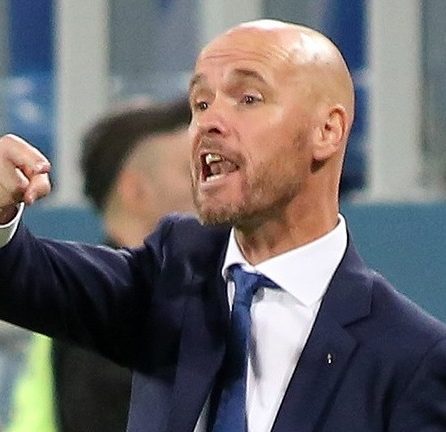
Three months. Just three competitive games. That’s all Erik ten Hag was given before Bayer Leverkusen pulled the trigger and showed him the door. For supporters, neutrals, and anyone who’s followed his career, the decision feels not only harsh but baffling. Replacing Xabi Alonso – a manager who guided Leverkusen to their first Bundesliga title and became a fan hero in the process – was always going to be a brutal task. But to sack his successor after such a short stint raises serious doubts about the direction of the club’s hierarchy.
Three Matches, Three Different Stories
The facts speak for themselves. Ten Hag’s first official outing brought a 4-0 away win in the DFB Pokal against Regionalliga side Grossaspach. A straightforward, professional job. His Bundesliga debut ended in a narrow 2-1 home defeat to Hoffenheim – frustrating, but not the end of the world. Then came the 3-3 draw at Werder Bremen, where Leverkusen collapsed late on after leading 3-1. Not ideal, but hardly the stuff of crisis. To suggest that this small run of fixtures justifies dismissal is to ignore everything Ten Hag has achieved elsewhere.
Erik Ten Hag’s Track Record of Success
Ten Hag is not some untested rookie. At Ajax, he developed a golden generation: Matthijs de Ligt, Frenkie de Jong, Donny van de Beek – all thrived under his guidance. He turned the Amsterdam club into a Champions League force again and lifted multiple Eredivisie titles.
Then came Manchester United, where despite the chaos of ownership disputes and dressing room unrest, he still delivered silverware: the League Cup and the FA Cup. More than that, he gave opportunities to academy stars like Alejandro Garnacho and Kobbie Mainoo, who became key players. His CV screams pedigree and patience – qualities Leverkusen apparently lacked.
The Summer Exodus and Recruitment Struggles
No one could pretend this summer was kind to Leverkusen. Granit Xhaka left, Florian Wirtz was snapped up, Jeremie Frimpong departed, and long-standing figures like Jonathan Tah and Lukas Hradecky also moved on. That’s not just a loss of talent, it’s a loss of leadership. Alonso’s title-winning team was gutted, leaving Ten Hag with a group short on big personalities.
Yes, the club spent money. Mark Flekken arrived from Brentford, Malik Tillman joined from PSV for €30m, Loïc Badé came in from Sevilla for €25m, and the most recent and exciting Ben Seghir Eliese signed from Monaco for €30m. But, apart from Flekken, those players are investments in potential, not instant replacements for proven leaders. Expecting them to click overnight was always unrealistic.
A Premature and Unfair Decision
So what did Leverkusen really expect? That a rebuilt squad would instantly replicate Alonso’s success? That Ten Hag could wave a magic wand and erase the void left by five key departures? That a squad used to Alonso’s 3-4-3 would instantly suit Ten Hag’s preferred 4-2-3-1? Football simply doesn’t work like that.
Sacking Erik Ten Hag after three games is unfair, unnecessary, and shortsighted. He wasn’t given time to build, time to shape the squad, or even time to settle. For a manager with his record of trophies and youth development, it feels like a serious misstep – one that might hurt Leverkusen far more than it hurts him.
—
Image sourced from Wikimedia.



 Football Foyer
